We’ve balanced the rig. We’ve built confidence. We’ve refined control.
Now we get to the part that changes everything: light.
THE SERIES SO FAR
Part 1 → Rapid Weight Mounting System — getting your rig neutrally buoyant
Part 2 → Vacuum Pump System — pre-dive seal confidence
Part 3 → Side Fire Shutter Release — ergonomic control underwater
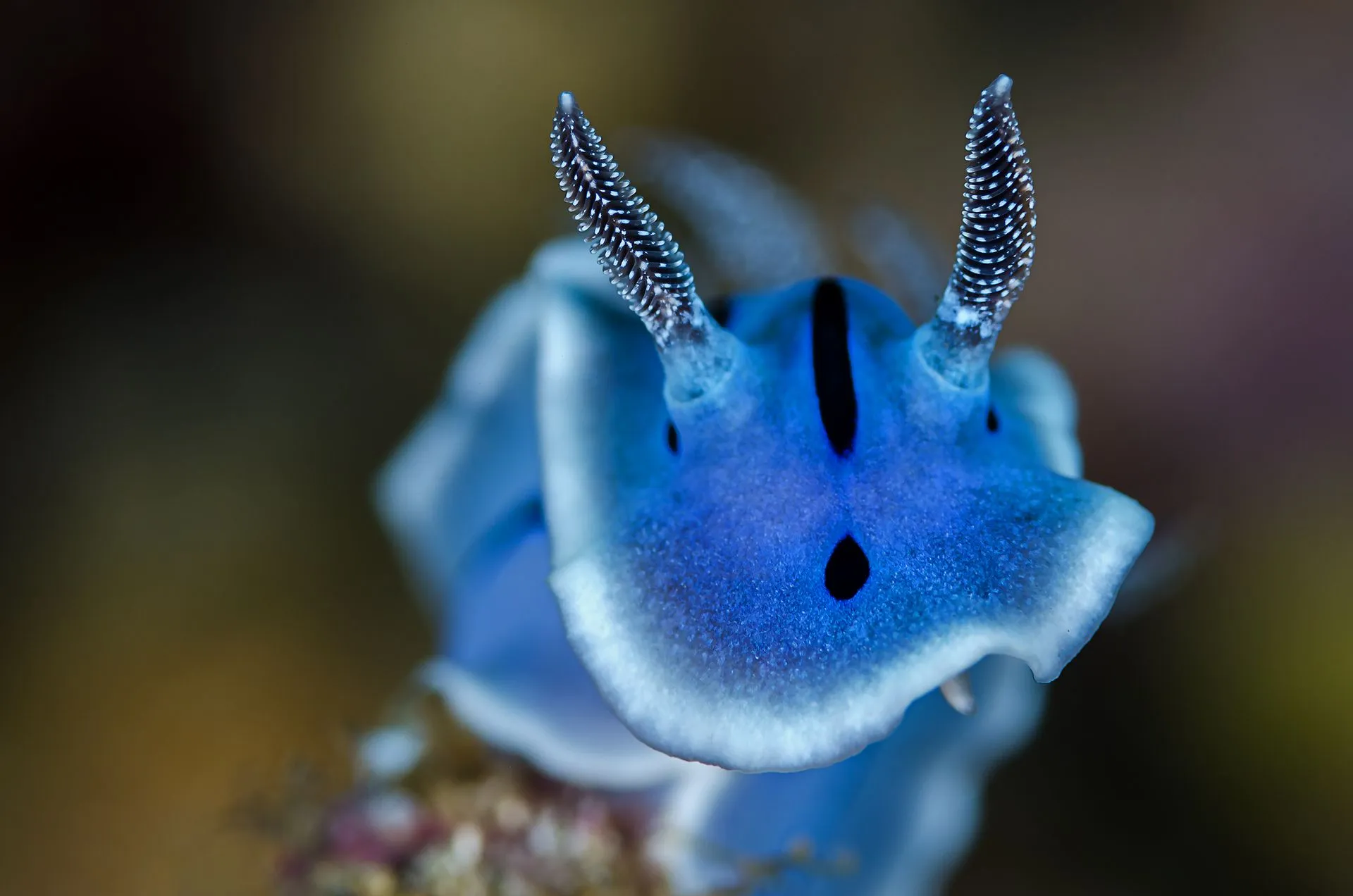
Underwater, light doesn’t just fade — it disappears piece by piece.
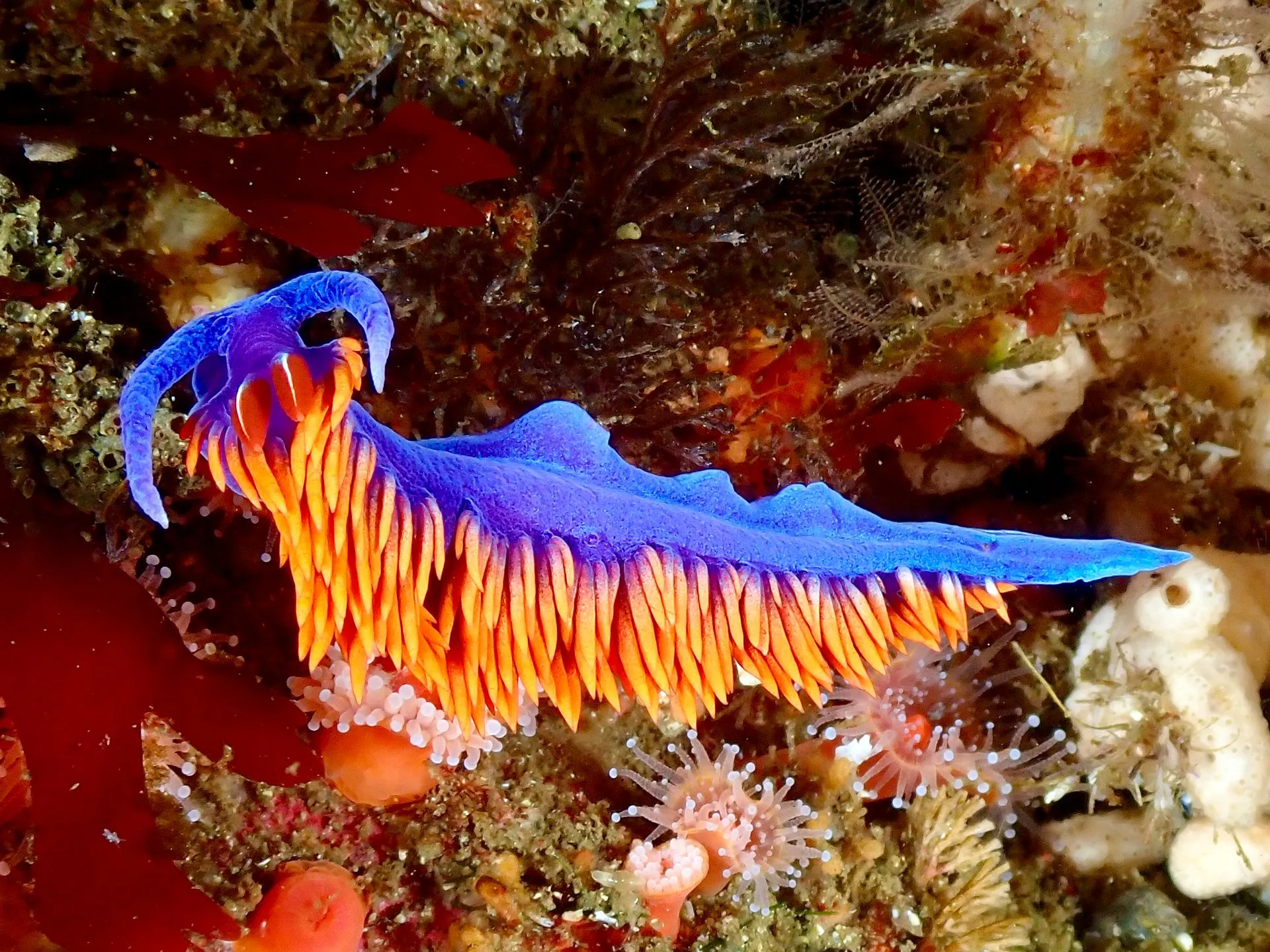
First the reds go. Then the oranges. Then the yellows. The deeper you go, the more the ocean strips the scene back to blue and green. What looks vibrant and full of life to your eye on the surface can feel flat, muted, and distant through the lens just a few metres down.
If you’ve ever come back from a dive and wondered why your footage or images didn’t match what you felt in the moment, this is usually why.
And it’s exactly where lighting comes in.
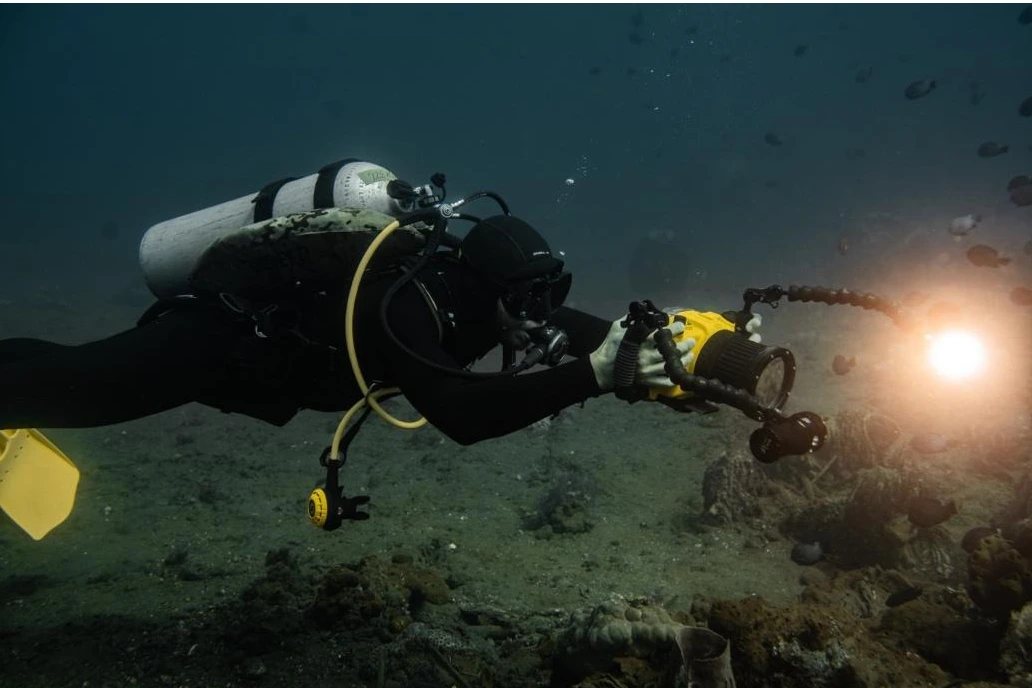
The difference between seeing and shaping a scene
Up until now in this series, we’ve focused on removing limitations.
Getting your rig neutrally buoyant so it moves with you, not against you.
Giving you confidence that your housing is sealed before you even hit the water.
Letting you shoot without breaking your grip or your composition.
Lighting is different. It’s not just about removing a problem — it’s about unlocking what’s actually possible.
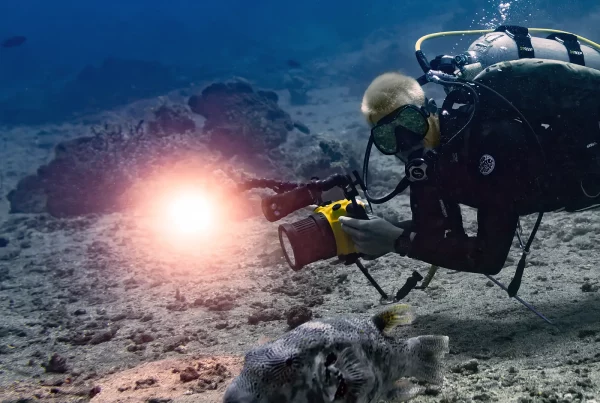
Because once you bring your own light underwater, you’re no longer relying on what’s available. You’re shaping the scene yourself.
You can bring back the natural colour of a reef at depth.
You can separate your subject from the background.
You can shoot clean, detailed footage in environments that would otherwise feel dark and flat.
It’s the point where documentation turns into creation.
Building a lighting system that works underwater
Of course, adding lights to a rig introduces a new challenge: how to mount and control them without undoing everything we’ve already solved.
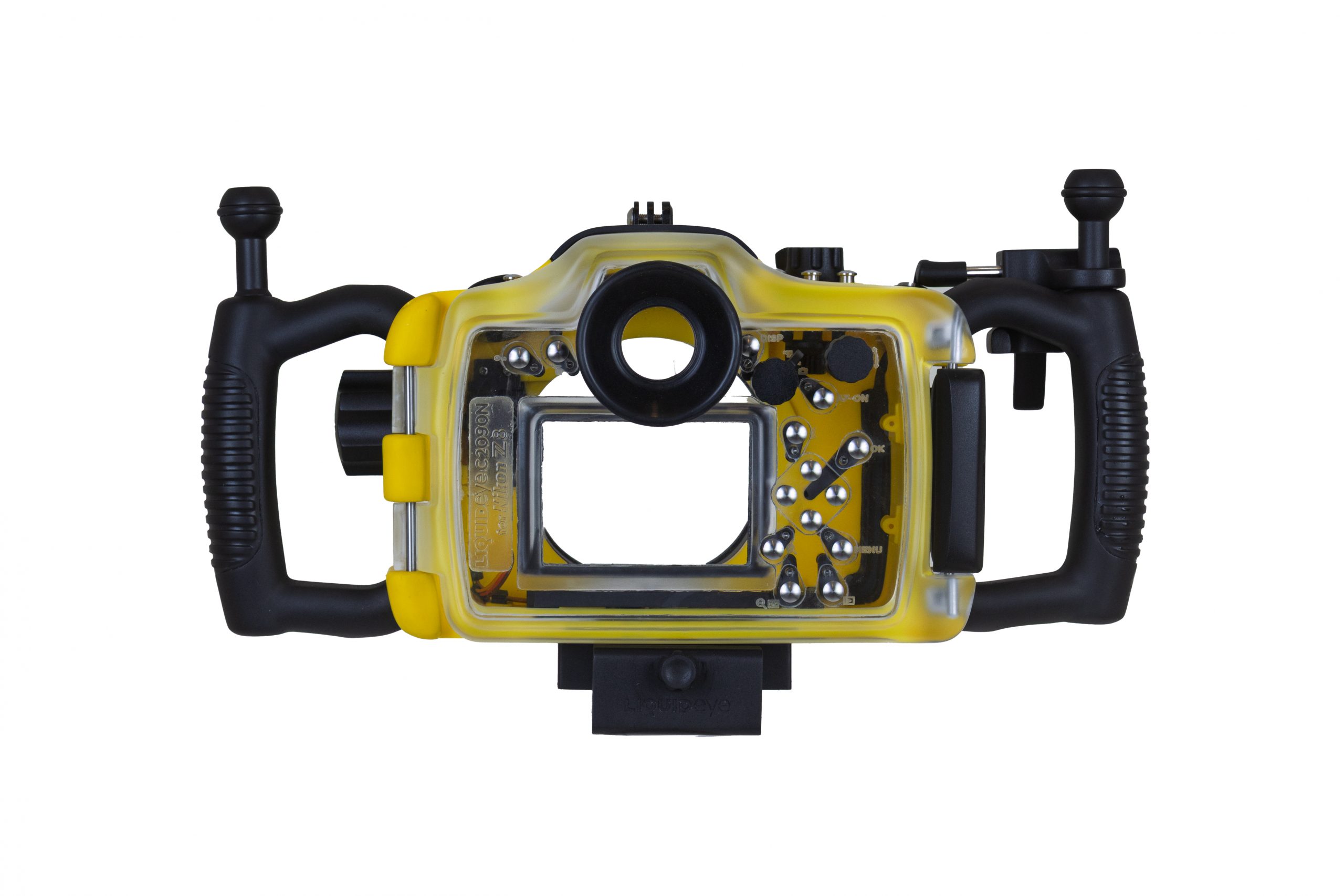
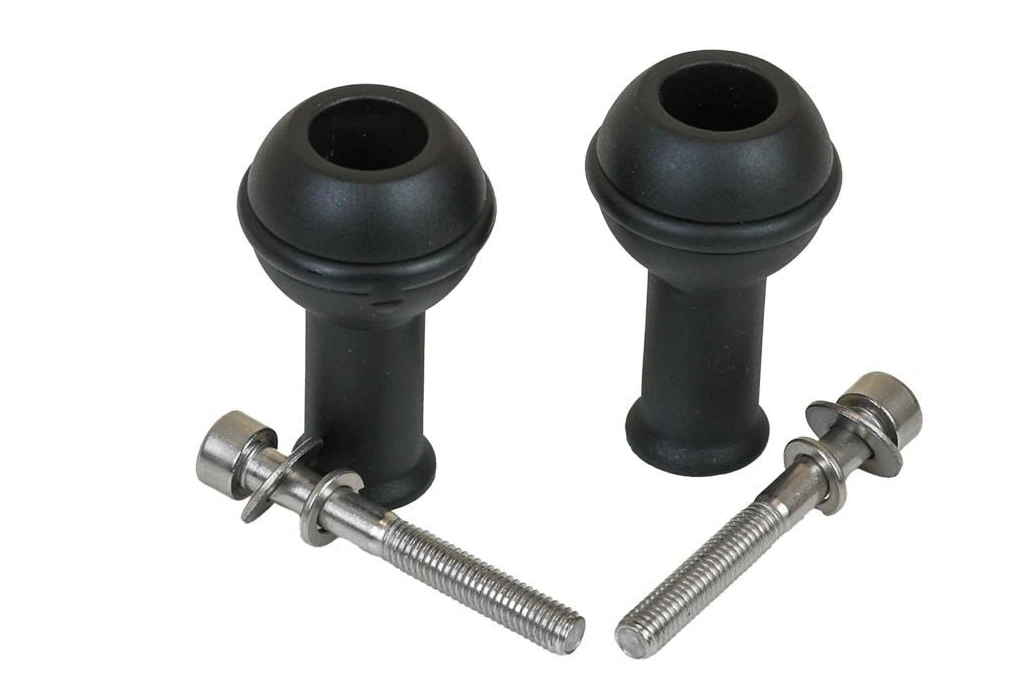
That’s where the 2x Ball Head Mount system comes in.
Designed to integrate directly with the Liquid Eye grip setup, these mounts give you solid, adjustable connection points for video lights or strobes using standard articulated arms. The ball head format is widely used for a reason — it’s simple, secure, and gives you the flexibility to position your lights exactly where you need them.
In practice, that means you can widen your stance, extend your lighting out from the housing, and fine-tune your angles to avoid backscatter while properly illuminating your subject.
And just as importantly, it all stays stable.
Because the moment your lighting setup becomes awkward or unbalanced, it pulls you back into thinking about your gear again — exactly what we’ve been working to eliminate throughout this series.
With the ball head mounts in place, your lights become part of the system, not an afterthought bolted onto it.
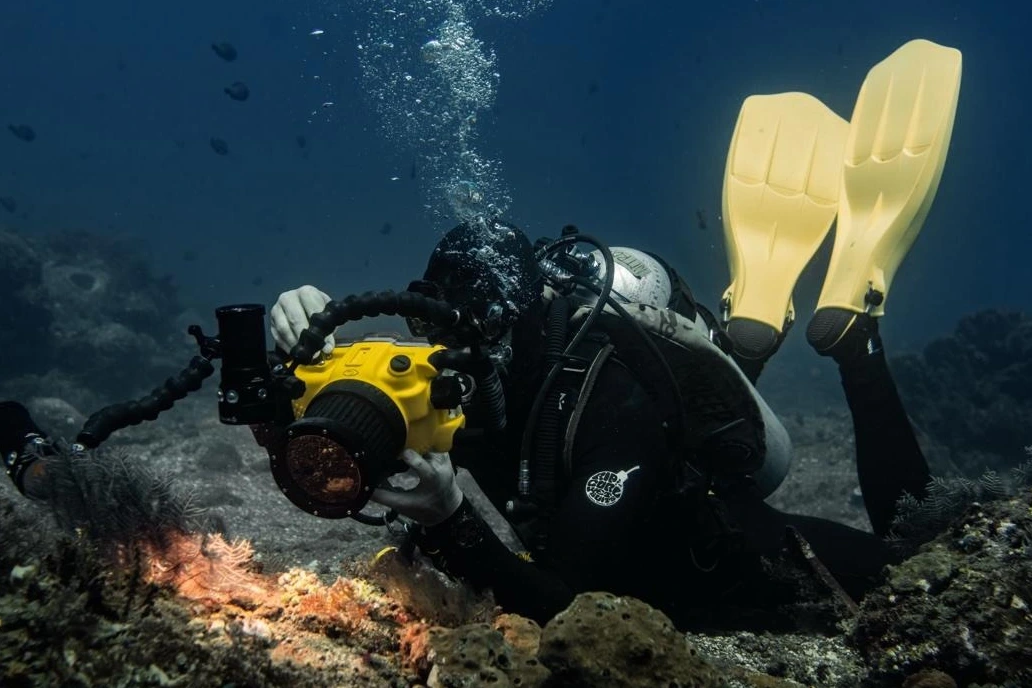
Constant light, strobes, and the evolving ecosystem
One of the biggest shifts we’re seeing as more shooters take Liquid Eye setups below the surface is the move toward hybrid lighting setups.
Constant lighting — typically used for video — is becoming just as valuable for stills. It gives you a live view of how your scene is lit, helps with focus in lower light, and brings immediate colour back into the frame. For many situations, especially when shooting reef environments or close subjects, it’s more than enough on its own.
At the same time, strobes still play a critical role in underwater photography — freezing motion, delivering more power, and giving that crisp, high-impact look that’s hard to replicate otherwise.
That’s why we’ve been working on expanding the system beyond just mounting solutions.
Within the next month, we’ll be releasing an optic fibre system designed to integrate seamlessly with the housing — allowing you to trigger external strobes reliably underwater. It’s a simple addition, but it opens the door to a much broader range of shooting styles and lighting techniques.
Together with the ball head mounts, it forms a complete lighting ecosystem:
constant lights for video and hybrid shooting, strobes for stills, and the mounting and triggering solutions to tie it all together.
Completing the rig
- If you look back across this series, each piece has solved a specific problem.
- Buoyancy.
- Confidence.
- Control.
- And now, light.
- Individually, each one makes shooting easier. But together, they do something more important — they turn the housing into a fully realised underwater system.
- A rig that’s balanced in the water.
- A rig you trust before you even descend.
- A rig that works with your hands, not against them.
- And now, a rig that lets you actually see — and shape — what you’re shooting.
- Add a wide double-grip stance, a side trigger under your finger, and lights mounted out on adjustable arms, and you end up with something that feels less like a collection of parts and more like a single, cohesive tool.
The kind of setup that lets you drop onto a reef, settle into position, and
focus entirely on the moment in front of you.
Expanding what’s possible underwater
For years, Liquid Eye has been built around the demands of surf — fast movement, heavy water, and equipment that needs to perform without hesitation.
With the C2080 and C2090 – now depth-rated to 30m / 100ft – with a growing ecosystem of dive-focused accessories, that same philosophy is being carried into a different environment.
Slower in some ways. More unpredictable in others. But just as demanding when it comes to getting the shot right.
Lighting is a big part of that shift.
Because once you’re no longer limited by the available light, the ocean opens up in a completely different way. Colours return. Details emerge. Scenes that once felt out of reach suddenly become possible.
And that’s really what this final piece is about.
Not just adding another accessory — but giving you the ability to create something that wasn’t there before.
You can explore the full range of diving accessories at www.liquideye.net/diving-accessories And if you’re building out your own setup — whether for video, stills, or a mix of both — we’re always here to help you get it dialled.
The surface was just the beginning.